K’NEX has been produced for more than three decades, resulting in thousands of sets, parts, colour variations, instructions and other materials. For collectors, the interest is not limited to the building pieces themselves. Boxes, catalogues, instruction books, leaflets and even small inserts can help document when and where K’NEX products were available.
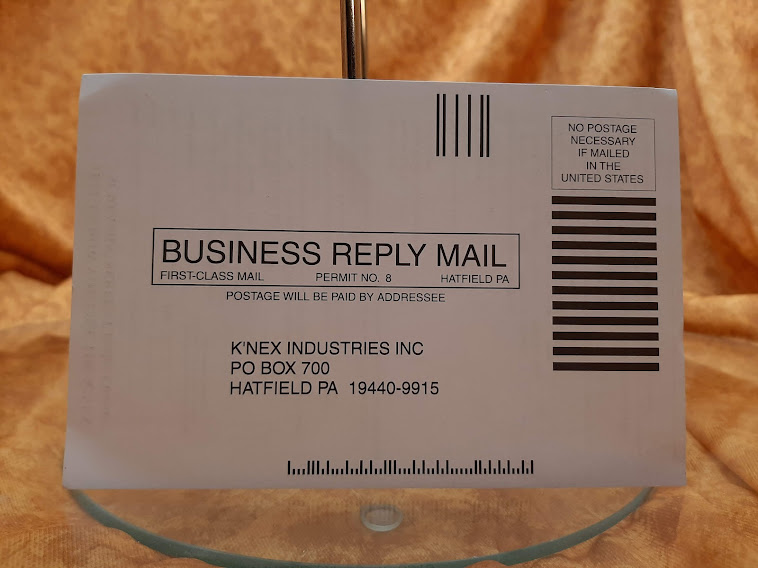
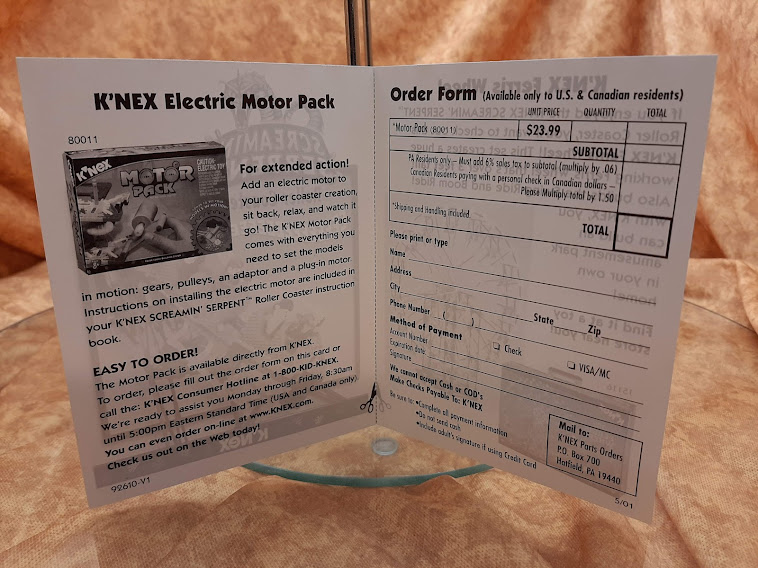
Collecting and documenting these materials can also help preserve the history of K’NEX.
What is worth keeping?
A K’NEX collection can contain much more than complete building sets. Useful material includes:
- complete and incomplete sets;
- individual parts and colour variations;
- original boxes, tubs and storage cases;
- building instructions and parts lists;
- product catalogues and brochures;
- labels, stickers and cardboard elements;
- promotional leaflets and retailer material;
- order forms, questionnaires and other inserts.
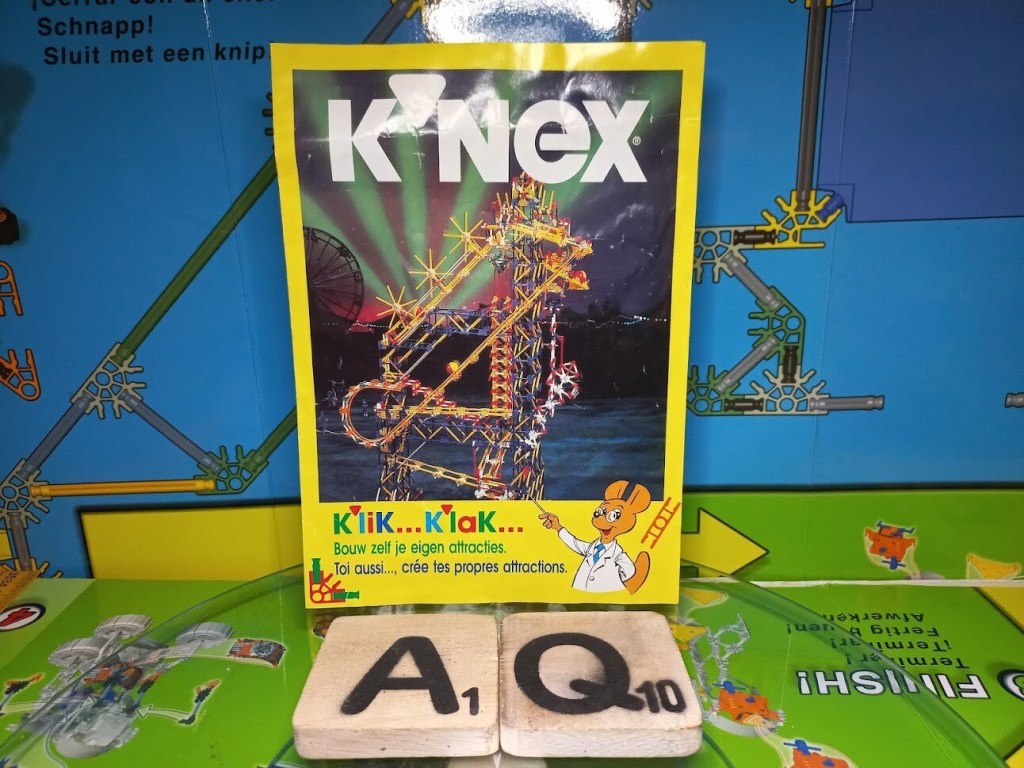
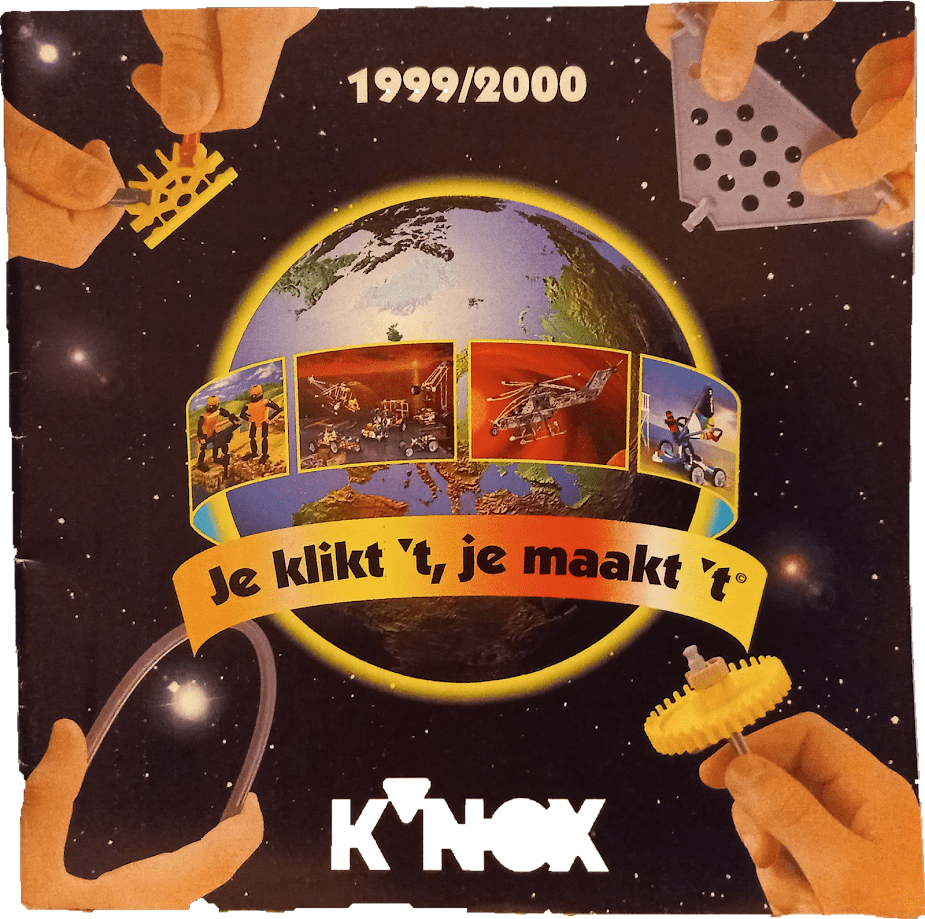
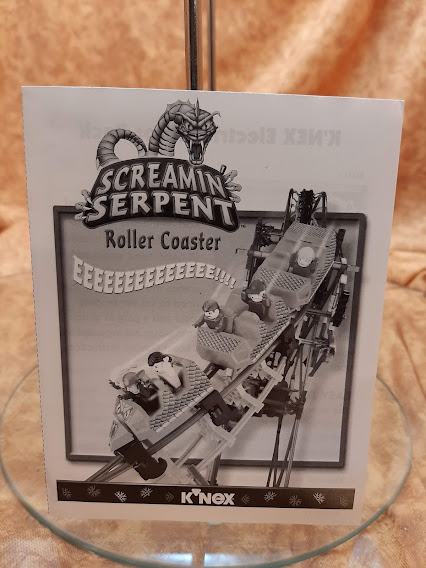
Even apparently unimportant printed material can contain information that is difficult to find elsewhere.
Identifying a K’NEX set
A set number is usually the best starting point, but it is not always available. Older boxes may be damaged, instructions may be missing, or a collection may contain parts from several sets.
When identifying a set, compare as many clues as possible:
- set or product number;
- set name;
- models shown on the packaging;
- distinctive or unusual parts;
- instruction book;
- parts list;
- approximate number of pieces;
- packaging design;
- company and distributor information.
Do not rely on one feature alone. Several K’NEX sets can contain very similar combinations of standard parts.
Dating K’NEX
The year printed on a box or instruction book is not necessarily the exact year in which a particular example was sold.
Useful dating clues include:
- copyright dates;
- codes printed on instructions, catalogues and other documents;
- revision or version information;
- company names and addresses;
- distributor information;
- packaging design;
- the K’NEX logo;
- product numbers;
- parts, colours and features included with the set.
Some K’NEX documents contain codes that appear to identify both a document version and its revision or printing period. These can be particularly useful, but they should be interpreted together with other evidence.
A document date also dates the document, not necessarily the original introduction of the product it describes.
Logos as dating clues
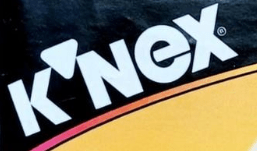
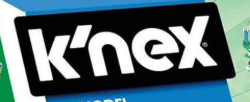
The appearance of the K’NEX logo has changed over time. Letterforms, proportions and the graphical treatment of the apostrophe have not always been the same.
A logo can therefore help establish an approximate period, but it should not be used on its own to assign an exact year.
Company names, copyright information, document codes and packaging usually provide stronger evidence when used together.
Regional versions and variations
K’NEX was sold internationally, and products were not necessarily presented in exactly the same way in every country.
Differences may include:
- language;
- packaging;
- product or catalogue numbers;
- distributor information;
- promotional material;
- instructions;
- available sets;
- colours or included parts.
A difference between two apparently identical sets is therefore not automatically an error or later replacement. It may represent a genuine regional or production variation.
When documenting an older set, recording its country or market of origin can be valuable.
Parts and colour variations
Many familiar K’NEX parts are associated with traditional colours. These colours can be very useful when identifying older sets and components.
However, the same part has often been produced in other colours. Over time K’NEX has used alternative, fluorescent, translucent, metallic and theme-specific colours.
A different colour therefore does not necessarily mean that a part is incorrect.
For collectors, it is useful to distinguish between:
the traditional or original colour of a part and the colour of the particular example being documented.
Is a set complete?
Checking whether an older K’NEX set is complete can be more complicated than simply counting rods and connectors.
Depending on the set, original contents may also include:
- motors and power components;
- gears, chain or track;
- figures and special parts;
- stickers;
- cardboard or graphic panels;
- instruction books;
- parts lists;
- promotional inserts;
- storage trays or other packaging components.
Whenever possible, use documentation for the same version or regional edition of the set. A later reissue or an edition sold in another country may not have exactly the same contents.
Tips for collectors
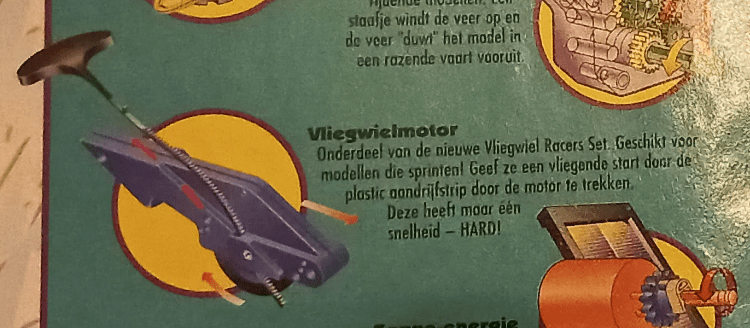
Keep original packaging when practical. A box can contain information about the product number, age range, models, piece count, distributor and period that may not appear elsewhere.
Keep manuals, parts lists, catalogues and inserts with the set. Small pieces of printed material can later become useful historical evidence.
Photograph a second-hand find before reorganising it. Original bags, stickers, cardboard pieces and the way items were stored may provide useful clues.
Record where an item came from when that information is known. Country, approximate purchase date and previous ownership can help establish provenance.
Do not replace unusual parts too quickly. An unexpected colour or component may be a genuine variation rather than a mistake.
When adding replacement parts, consider recording which pieces were added later. An authentic K’NEX part is not necessarily original to a particular set.
Avoid assuming that something is rare simply because it is difficult to find online. Availability on the internet is not a reliable measure of how many examples were originally produced.
And remember that historical importance and monetary value are not the same thing. A common old catalogue, leaflet or box may preserve information that has disappeared from other sources.
Preserving K’NEX history
K’NEX history is recorded not only in the toys themselves but also in the material that accompanied them.
Old catalogues can document product ranges and new introductions. Packaging can reveal regional differences. Instructions and parts lists can help reconstruct original set contents. Promotional material can show how K’NEX was presented to builders at a particular moment in time.
As these materials become older, some information may survive only in private collections.
Photographing, scanning and documenting original material can therefore make an important contribution to preserving K’NEX history.
Share what you know
K’NEXCHANGE aims to improve its information as more reliable evidence becomes available.
If you have an unusual K’NEX set, regional version, original catalogue, packaging, instruction book or other material that helps document K’NEX history, your information may help identify variations or fill gaps in the reference material.
When possible, include the product number, country, approximate date and clear photographs of identifying information.
Updated August 2026
 K'NEXCHANGE