Classic K’NEX Rides & Attractions
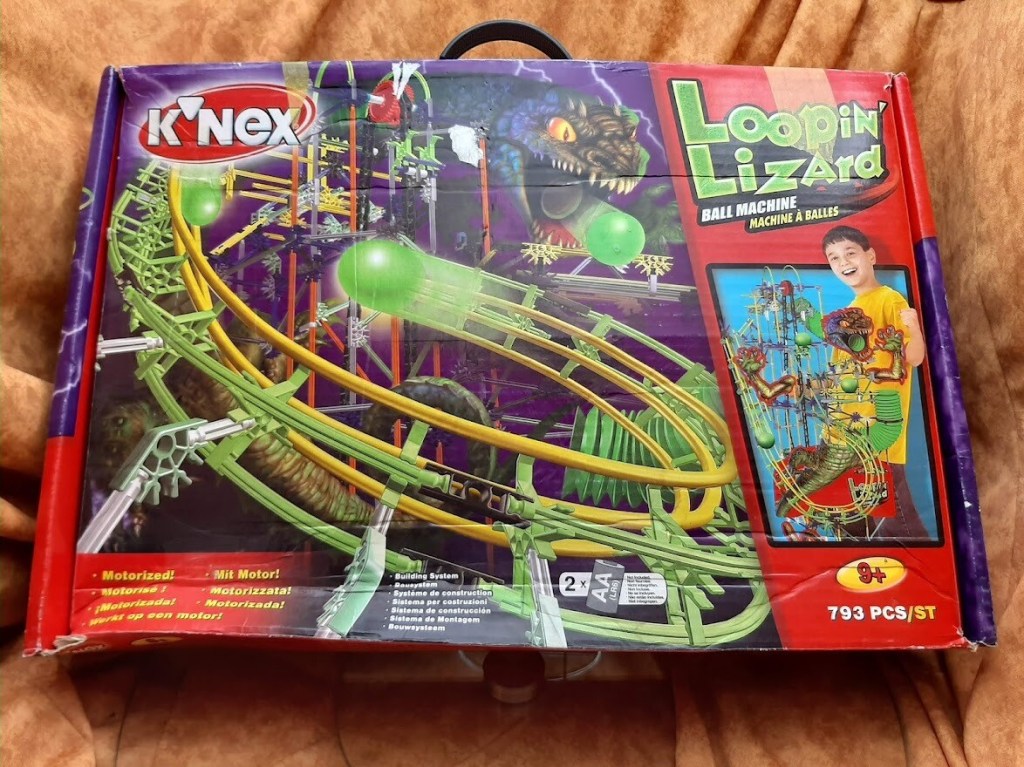
Classic K’NEX has been used to build roller coasters, ball coasters, Ferris wheels, fairground rides and other large moving models.
The familiar Classic rods and connectors usually form the supporting structure. Depending on the model, specialized components can then provide track, vehicles, moving mechanisms, power, sound or themed decoration.
There is no single standard collection of Classic K’NEX attraction parts. Different sets and different generations of K’NEX use different solutions.
Two generations of Classic roller coaster
Classic K’NEX roller coasters themselves developed over time.
The original Classic roller coaster system used relatively thin orange split-tubing track. The coaster car could be constructed using regular Classic K’NEX components.
Later Classic roller coasters retained the flexible split-tubing principle but introduced thicker track, commonly found in Purple, Blue, Red and Yellow, together with purpose-built coaster cars.
This is an important distinction when identifying old track and track-related parts.
Original orange flexible track
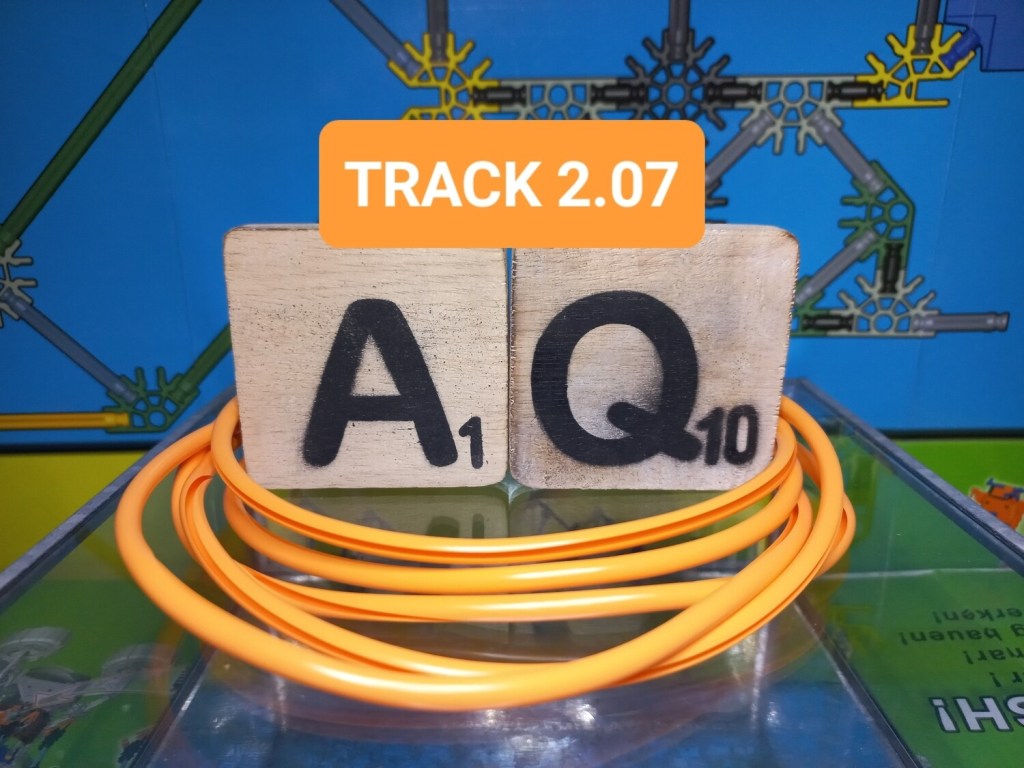
The original orange track is flexible split tubing. Because the track itself does not determine the shape of the course, the surrounding Classic K’NEX construction supports it and creates the curves, climbs and drops.
Two specialized components can attach this tubing to the K’NEX structure:
90910 — Connector 5-way for Track Orange
90911 — Clip with Splice end Orange
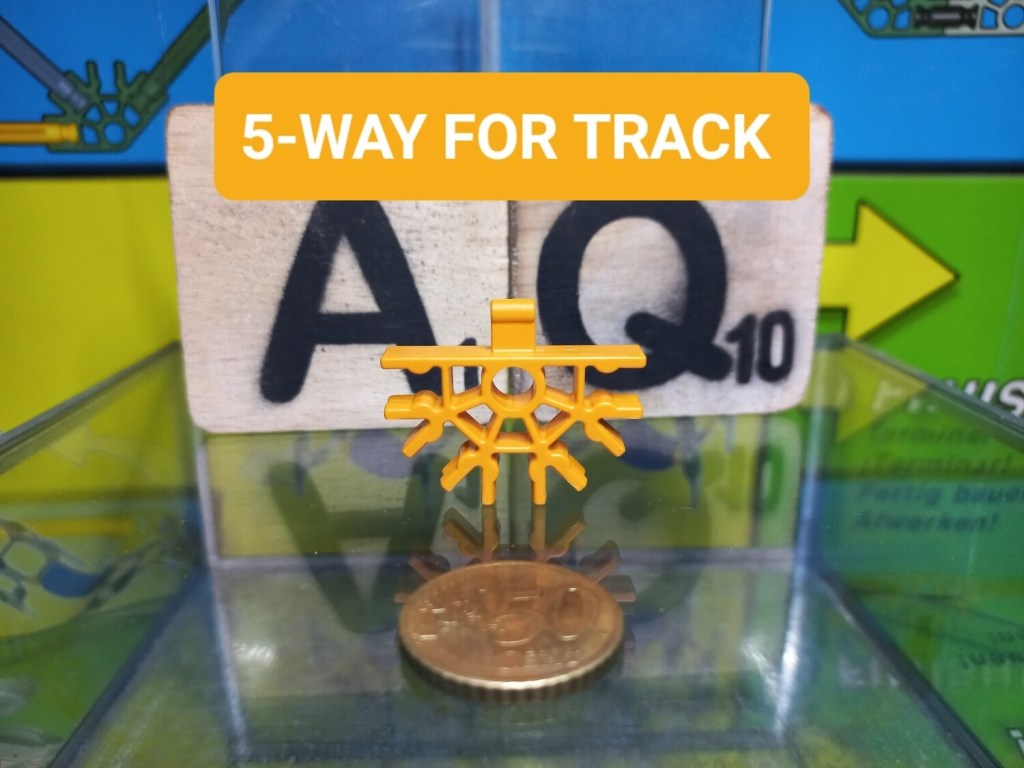
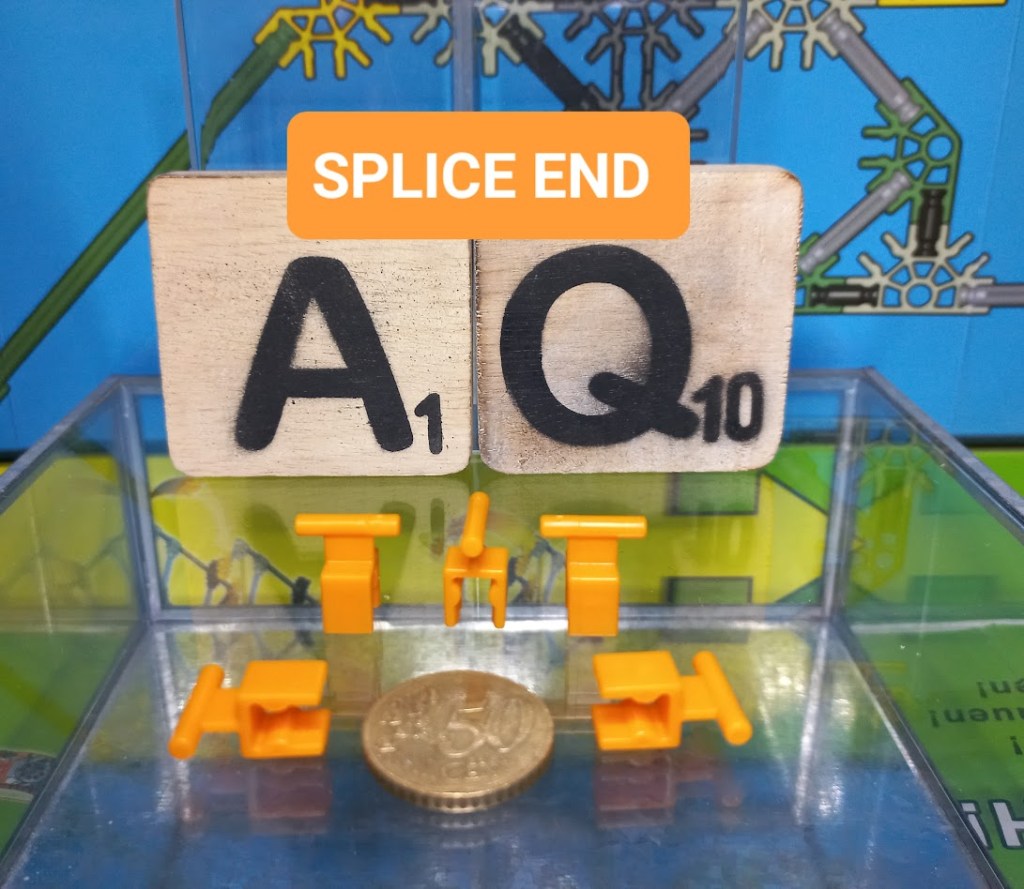
The tubing connects directly to these specialized attachment points. KUG documents both parts for the original Classic coaster system.
The same orange tubing can also be used for ball coasters, where balls travel along the two track tubes rather than a coaster car. KUG specifically documents 90910 and 90911 for this application as well.
Later Classic flexible track
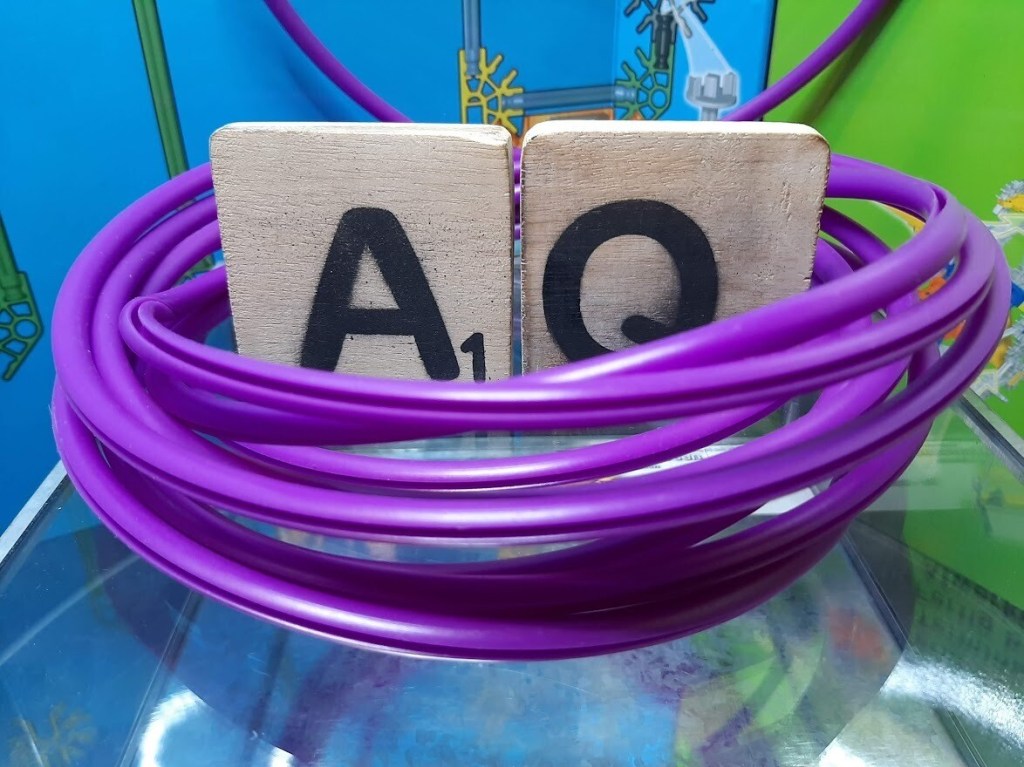
Later Classic roller coasters use thicker split-tubing track.
Documented colors include Purple, Blue, Red and Yellow. Unlike the original orange system, this track is normally supported by special Co-cross ties.
Known examples include:
| Part no. | Part |
|---|---|
| 91430 | Co-cross tie Light Green |
| 91432 | Co-cross tie Fluorescent Yellow |
The Co-cross tie both attaches the track to the construction and helps maintain the correct distance between the two track tubes.
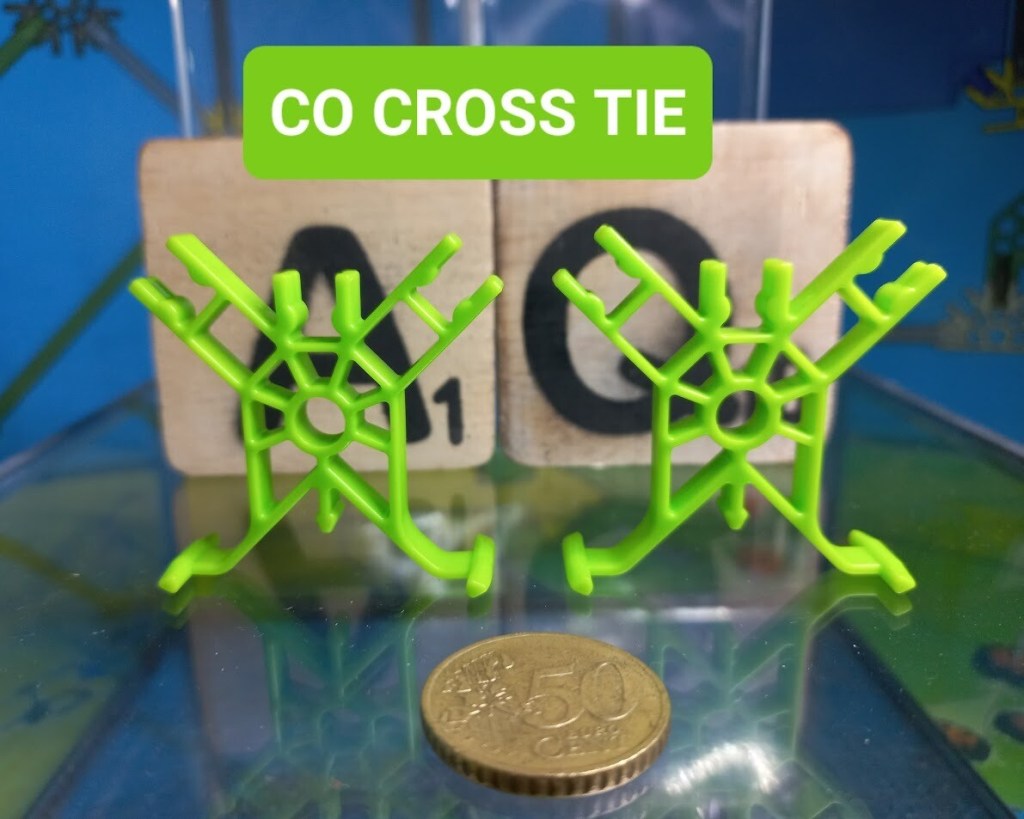
Other documented variants can be added when verified; there is no need to infer them from Ecwid numbering.
Joining flexible track
20501 — Track Splice joins separate lengths of Classic flexible coaster track.
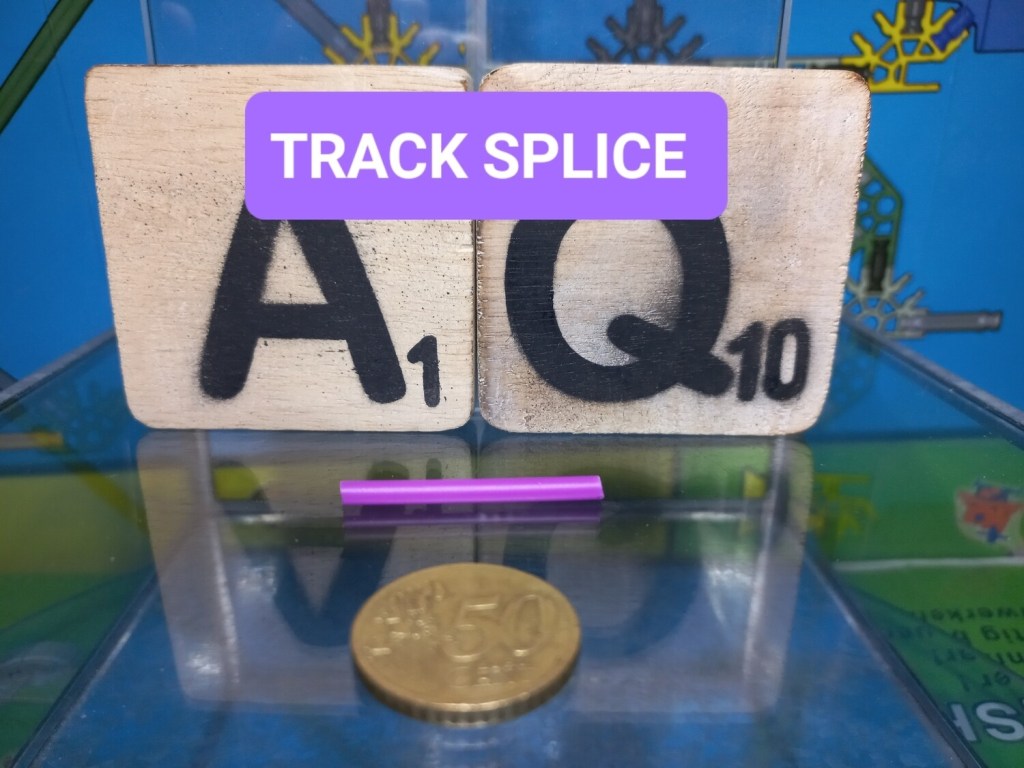
The splice fits inside adjoining tubing so that they form a continuous track. It therefore has a different function from 90910, 90911 and the Co-cross ties: those primarily support or attach track, whereas the Track Splice joins track lengths together.
This distinction is also visible in actual sets. For example, KUG lists 20501 together with 91432 in Roller Coaster Physics, while the Original 8ft Roller Coaster uses 90910 and 90911.
Official track lengths
Classic flexible coaster track was supplied in different documented colors and lengths.
K’NEXCHANGE uses the official/documented lengths in the K’NEX User Group Parts List for identification. Shorter pieces or other lengths cut or sold separately by individual sellers are not treated automatically as additional official K’NEX track variants.
This allows the catalogue to distinguish the physical track system from the way track may subsequently have been sold.
Classic coaster cars
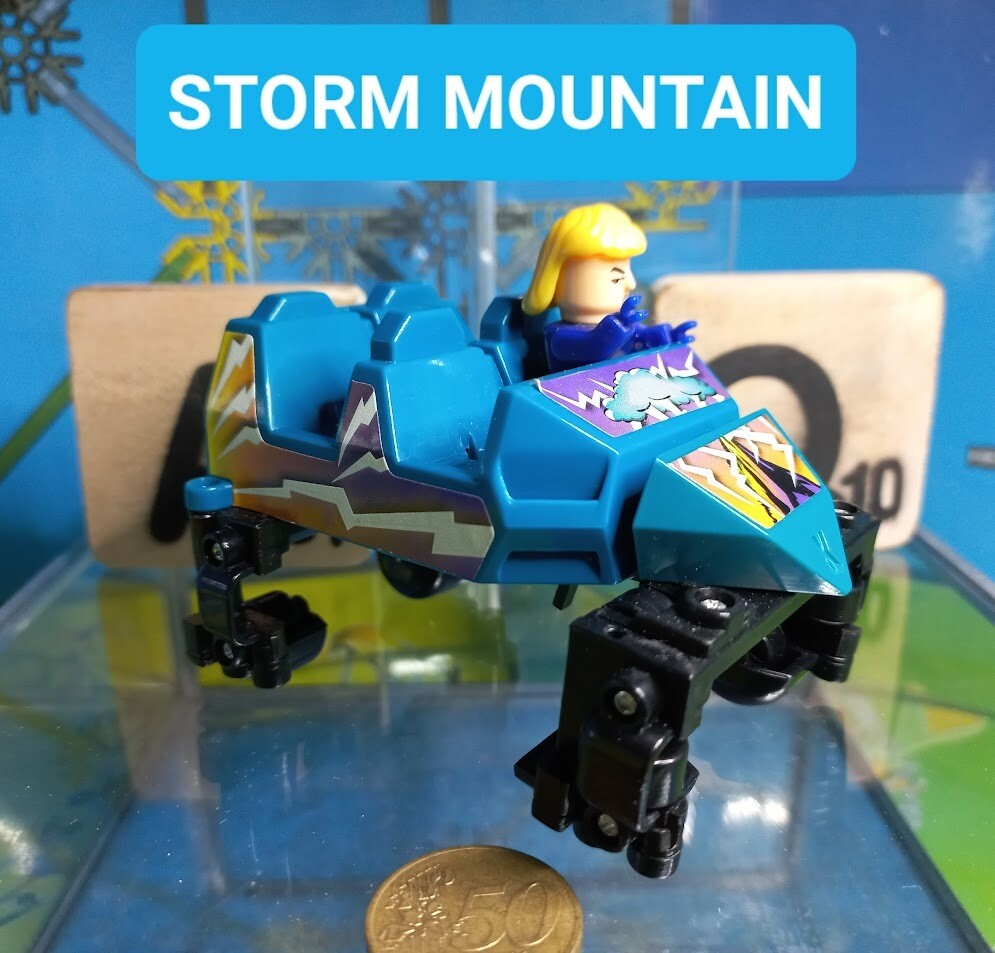
Later Classic roller coasters use specialized coaster-car components. A coaster train can consist of:
Front car → one or more Follower/Middle cars → Back car
Known parts include:
20471 — Coaster car Front Blue
20591 — Coaster car Follower Orange
20601 — Coaster car Back
20471P — Coaster car set
KUG confirms the front/middle/back train principle for the later Classic coaster system.
Different sets introduced additional colors and configurations. These should be recorded as variants only when the physical part or documented K’NEX variant can be verified, rather than from unique seller SKUs.
Riders and figures
Some coaster cars were supplied with riders or figures.
Because the rider can also exist independently of the coaster car, K’NEXCHANGE can catalogue figures separately while recording their original relationship with a particular coaster or ride.
On individual set pages, the original car-and-rider combination can therefore be reconstructed without treating every car-with-figure sales combination as a different coaster-car part.
Ball coasters and ball machines
Balls introduce another form of moving K’NEX model.
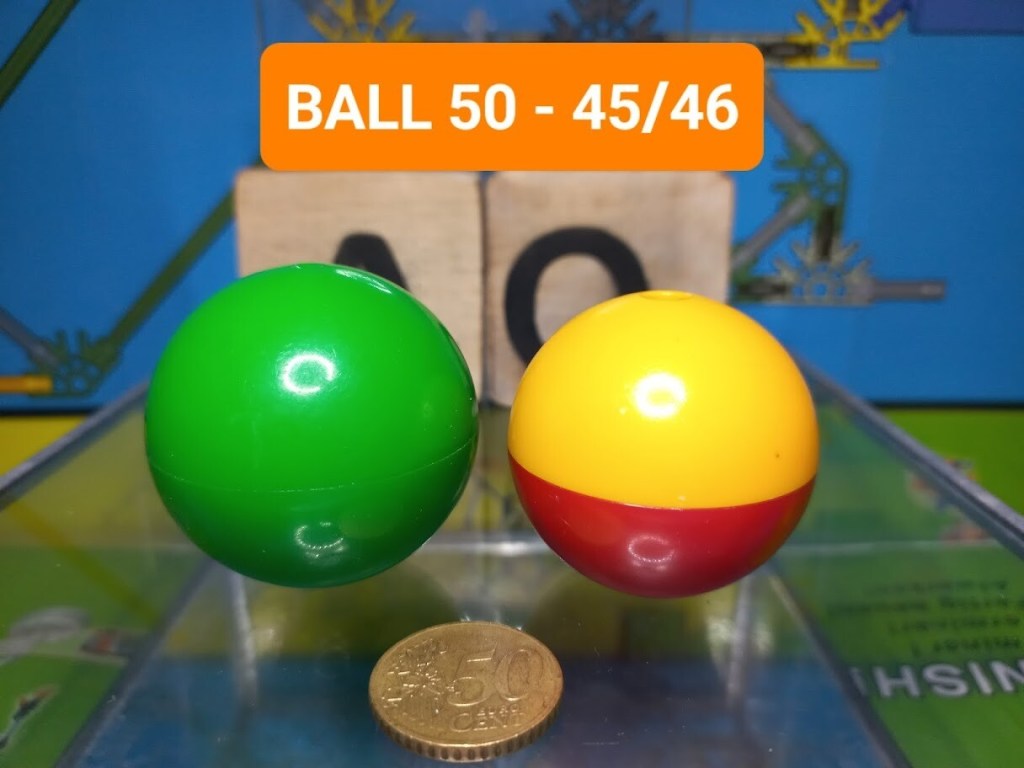
A traditional Classic ball coaster can even use the same orange flexible tubing and 90910/90911 track attachments as the original coaster system. KUG documents balls assembled from two colored ball halves; a completed example is approximately 46 mm in diameter.
More elaborate ball machines can use very different track and lifting mechanisms.
For example:
99148 — Track Special for Motorised Madness
is identified in the Motorized Madness parts list as a special track component; the American replacement-parts database describes it more specifically as Green Ball Track. It should therefore not be confused with ordinary flexible roller-coaster tubing.
Gears, chain and moving mechanisms
Many rides and ball machines use gears and chain to transmit movement.
These remain documented under Gears & Chain. On an attraction page we can identify which gears or chain a particular set actually uses and link to their main parts page.
For example, Screamin’ Serpent contains the 32 mm chain 90987 and medium gear 90985 alongside its coaster-specific components.
Motors & Power
Many attractions use a motor or another powered mechanism.
Motors remain under Motors & Power, because their primary function is power and movement and the same motor can occur outside attraction sets.
The individual set pages can identify the original motor, launcher or other drive system actually supplied with that model.
Light & Sound
Some attractions add dedicated electronic effects.
Ferris Wheel and Roller Coaster Sound Units are examples. These remain under Light & Sound, while their relationship with the appropriate attraction is recorded on the relevant set page.
Screamin’ Serpent, for example, is documented with both motor 20554 and Sound Unit 20541.
Graphic Panels, signs and scenery
Graphic and cardboard panels, signs, banners, stickers and other scenery are particularly valuable for identifying themed attractions.
Unlike ordinary construction panels, these pieces are frequently set-specific. Their artwork can reveal the coaster or attraction from which an otherwise unidentified part originated.
For this reason, K’NEXCHANGE documents them primarily in relation to the appropriate set rather than treating them simply as another type of Classic construction panel.
Set-specific parts
Some rides contain specialized components made for one attraction or a limited group of sets.
These should be identified from their physical design and documented use.
From parts to complete sets
This page describes the recurring systems found in Classic K’NEX rides and moving models.
The individual set pages can then document the actual contents of particular attractions:
set → special parts → track → track supports → cars → riders → balls → drive system → gears & chain → motor → Light & Sound → Graphic Panels/scenery → building instructions
This separates two different questions:
What is this K’NEX part?
and
Which parts originally belonged to this K’NEX set?
 K'NEXCHANGE